The Anatomy of a Delay

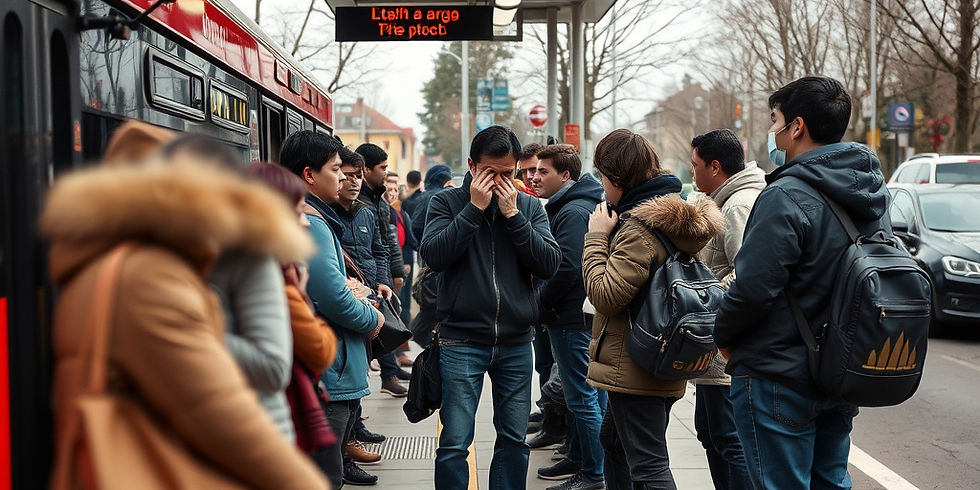
The 4:30 bus is ten minutes late. In a terminal, ten minutes isn't just a measurement of time; it is a physical weight. I can see the Rising Action in the way the crowd begins to shift. It starts with a collective lean toward the glass doors, followed by the frantic checking of phones as people look for a digital explanation for a mechanical problem.
Professor Matthews notes that tension in creative nonfiction comes from the space between what we expect and what actually happens (Matthews 116). Right now, the expectation is a schedule, but the reality is the empty asphalt of the bay. The silence in the waiting area has become brittle. A man near the ticket counter is pacing in a tight circle, his boots making a squeaky, rhythmic protest against the linoleum. This is the "mechanical violence" of a broken routine (Matthews 112).
John D’Agata writes that the lyric essay is about the "aura of ignorance" we face when facts fail us (D’Agata 132). We don't know why the bus is late. Is it a flat tire? Traffic on I-95? A driver who simply needed an extra five minutes of quiet? In that vacuum of information, the tension peaks. When the headlights finally cut through the afternoon gloom, the collective exhale is almost audible. The "truth" of the delay isn't in the logbook; it is in the way twenty strangers suddenly become a single, relieved organism.
Works Cited
D’Agata, John. "We Might as Well Call it the Lyric Essay." ENG 211: Introduction to Creative Writing, 2025, pp. 129-132.
Lamott, Anne. "12 Truths I Learned from Life and Writing." TED, Apr. 2017, www.ted.com/talks/anne_lamott_12_truths_i_learned_from_life_and_writing.
Matthews, Araminta Star. "Introduction to Writing Creative Nonfiction: Hint—It’s Not What You Think." ENG 211: Introduction to Creative Writing, 2025, pp. 112-118.
Comments